

Floss Picks vs String Floss: Which One Should You Use?
Neither tool wins in every situation, but the choice usually comes down to technique and consistency rather than the product itself. If you can execute a proper C-shape motion with string floss, it gives you the best contact with each tooth surface and the gumline. If dexterity, time, or habit gets in the way, floss picks are a legitimate, dentist-acceptable alternative. A 2007 clinical trial even found picks removed slightly more plaque than rolled floss when used correctly, and the American Dental Association’s guidance backs daily interdental cleaning regardless of which tool gets you there.
TL;DR:
- Floss picks can remove slightly more plaque than traditional string floss when used correctly, but technique remains the key factor in effectiveness.
- String floss offers better control for tight contacts and gumline cleaning, especially when used with proper C-shape technique and fresh segments.
- Floss picks are more convenient for quick, on-the-go cleaning, but they risk spreading bacteria if reused or not discarded properly.
- Specific situations like braces, bridges, or limited mobility may require specialized tools like floss threaders or water flossers for optimal cleaning.
- A hybrid approach, using string floss at night and floss picks during the day, maximizes effectiveness and ease of use across different contexts.
Table of Contents
- Floss Picks vs String: Comparing Effectiveness, Cost, and Hygiene
- Why Traditional String Floss Still Matters
- Why Floss Picks Are Worth Keeping in Your Routine
- Special Situations That Change the Right Choice
- How to Floss Correctly, Step by Step
- What BLANCA’s Dental-Led Team Wants You to Take Away
- Build a Flossing Routine You’ll Actually Keep
- Sources
Floss Picks vs String: Comparing Effectiveness, Cost, and Hygiene
The clinical data on floss picks vs string floss might surprise you. In a crossover trial comparing a Mint Floss Pick against standard rolled floss, the pick removed 19.4% of disclosed plaque compared to 15% for string floss, using the Modified Turesky Plaque Index across 26 subjects. Researchers concluded the pick performed at least as well as traditional floss when both were used according to their intended directions. That is a narrow, single-study result, not proof that picks universally outperform string. But it does dismantle the assumption that floss picks are a lesser tool.
Technique still separates the two products in a meaningful way. String floss lets you curve the floss into a C-shape around each tooth, hugging the surface and slipping gently below the gumline. Floss picks hold the strand rigid, which makes that curve harder to achieve and can leave a sliver of plaque right at the gumline untouched.
Where floss picks pull ahead is usability. One-handed operation, no wrapping floss around your fingers, and a shape that reaches back molars more easily than a taut string. For someone rushing out the door or flossing in a car, that convenience often decides whether flossing happens at all.
Hygiene and cost tell a mixed story:
- String floss gives you a fresh segment for every tooth, reducing the risk of moving bacteria from one spot to another.
- A single floss pick uses the same short strand across your whole mouth unless you switch picks partway through.
- Floss picks cost more per use than a spool of string floss, and most conventional picks are plastic, adding to landfill waste.
- Biodegradable and bamboo-handled picks now exist for shoppers who want the convenience without the packaging guilt.
A hybrid approach solves most of this tension: string floss at night for thorough cleaning, floss picks during the day when you need something fast.
Why Traditional String Floss Still Matters
Proper string-floss technique starts with roughly 18 inches of floss, wound around your middle fingers, leaving an inch or two to work with. Curve the floss into a C-shape against each tooth and slide it gently beneath the gumline before moving to a clean section for the next tooth. That fresh-segment habit is what keeps string floss effective and hygienic tooth after tooth.
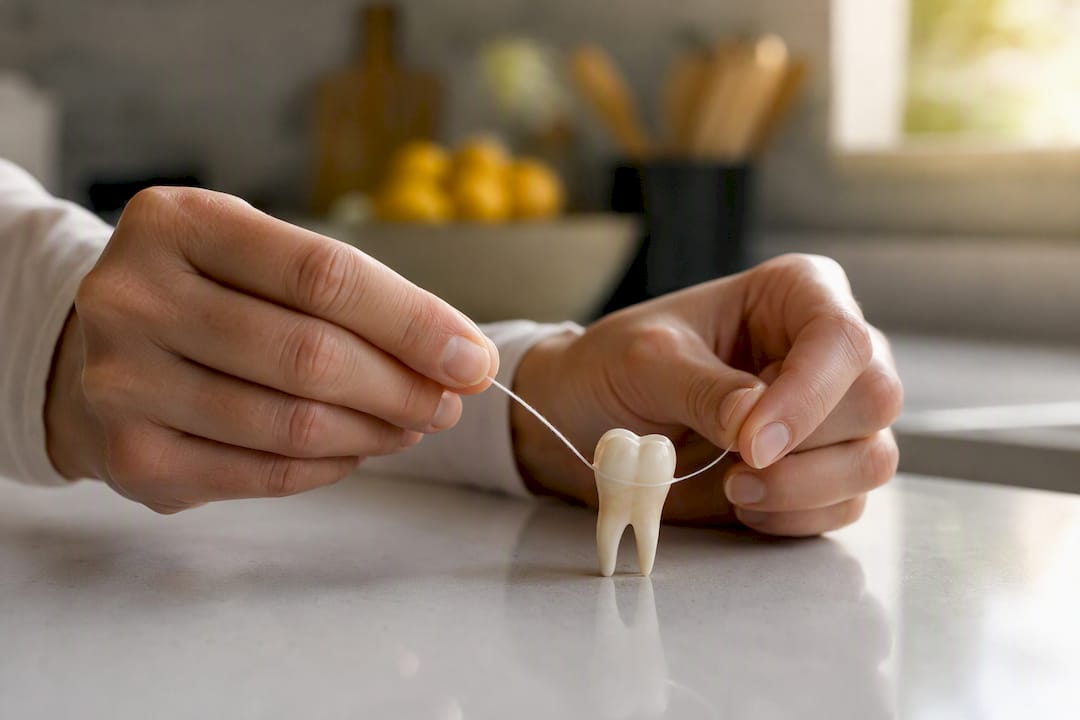
String floss also earns its keep in specific situations. Tight contacts between crowded teeth, bridges, and thorough nighttime cleaning all benefit from the control and flexibility that only a length of floss can offer. The catch is real: finger dexterity, patience, and a learning curve keep plenty of adults from doing it well, or doing it at all.
Pro Tip: If tight contacts shred your floss or leave your gums sore, try waxed or expanding floss for a smoother glide, or switch to dental tape if you have wider gaps between teeth.
Why Floss Picks Are Worth Keeping in Your Routine
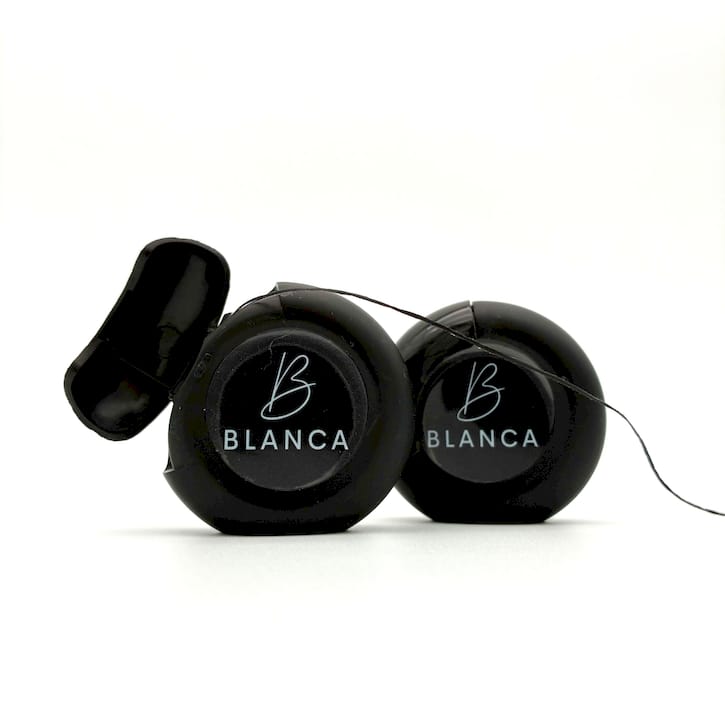
Floss picks solve a real problem: getting people to actually floss. The molded handle and pre-strung design mean no finger-wrapping, no fumbling, and true one-handed use, which matters enormously for anyone with arthritis, limited grip strength, or a toddler tugging at their sleeve.
They also shine in situations string floss struggles with:
- Quick cleanups after lunch at your desk or in the car
- Introducing children to interdental cleaning before they have the coordination for string
- Travel, where a pocket-sized pick beats carrying a spool
The trade-off is real too. Picks can’t curve into a true C-shape, so gumline contact suffers slightly, and reusing the same rigid strand across several teeth risks spreading bacteria if you don’t switch position or discard the pick. Use one pick per session, never reuse it the next day, and consider a biodegradable option if plastic waste bothers you.
Special Situations That Change the Right Choice
- Braces and orthodontic appliances: A floss threader or orthodontic-specific pick gets string floss under the wire; skipping this step lets plaque build up around brackets fast.
- Bridges and implants: Standard floss picks often can’t reach the space beneath a bridge. Specialized floss or interdental brushes clean these areas properly.
- Arthritis or limited hand mobility: Floss picks or a water flosser are perfectly acceptable substitutes. Consistency matters more than which tool you use.
- Children: Picks help build the habit early, but supervise young kids and teach them to actually touch each tooth surface, not just wave the pick around.
- Anyone unsure which method fits their mouth: Ask a dentist or hygienist for hands-on instruction, and check whether your dental coverage includes a cleaning visit where you can ask.
How to Floss Correctly, Step by Step
String floss:
- Cut about 18 inches, wind most around your middle fingers.
- Guide it between teeth with a gentle sawing motion, never snapping it against the gum.
- Curve it into a C-shape against one tooth, slide below the gumline, then move to a clean section for the next tooth.
Floss picks:
- Angle the pick gently between teeth rather than forcing it straight in.
- Clean one side of the gap, then flip or reposition for the other side.
- Discard the pick after use rather than saving it for tomorrow.
A simple hybrid routine: string floss at night, a pick for daytime debris. The most common mistake either way is snapping the floss into the gum, which causes bleeding and discourages people from continuing.
Pro Tip: Bleeding gums during the first week of consistent flossing is usually inflammation calming down, not damage. If it persists past two weeks, see your dentist.
What BLANCA’s Dental-Led Team Wants You to Take Away
Founded by dental professionals, BLANCA built its oral care line around a simple observation: the best interdental tool is the one you’ll use correctly, every single night. String floss remains the gold standard for gumline access when your technique is solid, but a floss pick used consistently beats perfect string-floss technique used never. Dentists interviewed on the topic consistently say the same thing: adherence beats theoretical superiority. Pick the tool that fits your hands, your schedule, and your patience, then stick with it.
— Blanca
Build a Flossing Routine You’ll Actually Keep
Whichever tool wins your nightly routine, BLANCA makes it easier to stay consistent. Our oral care collection is built around exactly this pragmatic philosophy: give people tools they’ll actually reach for, not ones that sit in a drawer.
If nightly string flossing works for you, BLANCA’s floss options pair well with proper technique for full gumline coverage, and our guide to choosing floss for tight teeth can help you pick the right thickness. If dexterity or mobility makes string floss a struggle, the BLANCA Water Flosser offers a gentle, effective alternative that reaches where picks sometimes miss, and replacement tips are available when you need them. Pair either with the BLANCA Electric Toothbrush for a complete daily routine, and browse our best sellers to build a starter kit today.
Sources
- Evaluation of the plaque removal efficacy of two commercially available dental floss devices
- Should You Use a Floss Pick or Regular Floss? What Dentists Recommend — The Healthy
This article is general information, not a substitute for advice from a qualified doctor. Consult a qualified healthcare professional about your own circumstances before acting on anything here.