

Tooth Porosity Whitening Results: What You Need to Know
Tooth porosity is defined as the density of microscopic channels, called enamel tubules, that control how deeply bleaching agents penetrate your enamel. These channels determine your tooth whitening effectiveness more than any product claim or treatment duration. People with highly porous enamel see faster initial whitening because peroxide molecules travel through tubules more efficiently. The trade-off is real: porous enamel also restains faster, making post-treatment care as important as the whitening itself. Understanding this biology is the first step toward getting results that actually last.
How does tooth porosity affect whitening speed and depth?
Enamel porosity varies significantly from person to person. Genetics, age, and oral health history all influence how dense or open your enamel structure is. A younger person with naturally thin enamel may show shade improvement within days, while someone with dense, well-mineralized enamel may need two full weeks to see the same change.
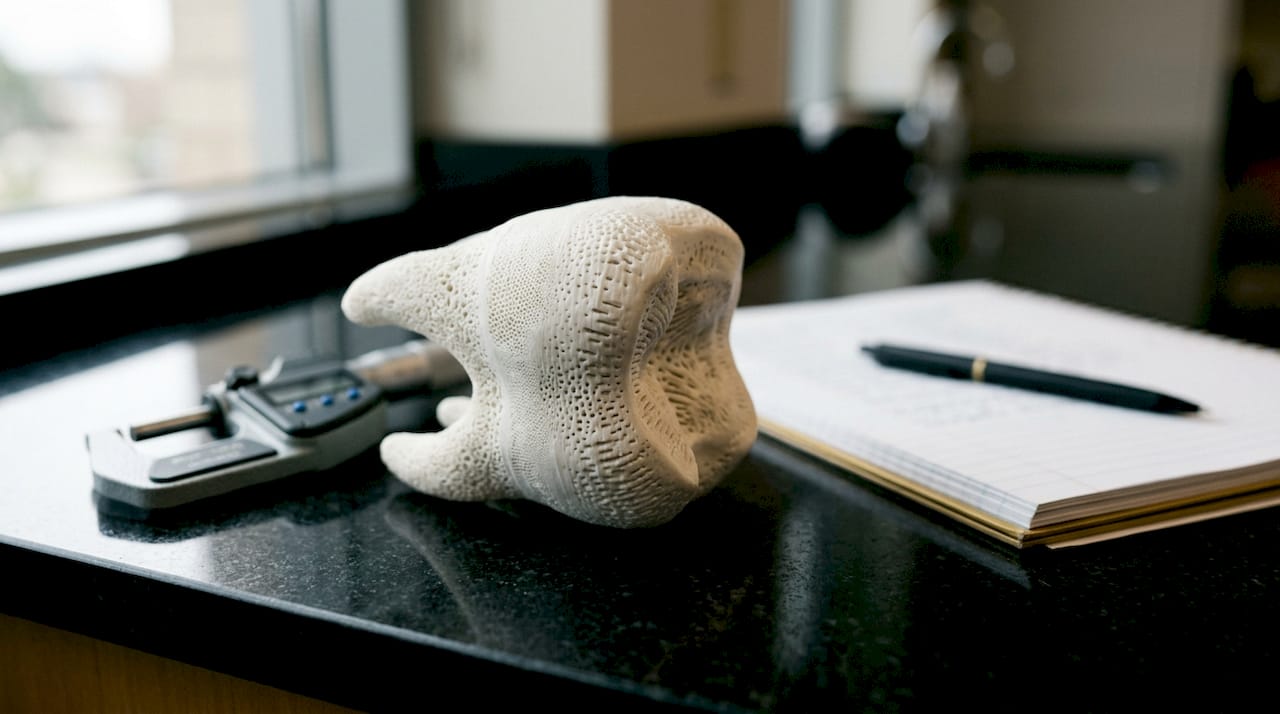
The mechanism is straightforward. Hydrogen peroxide or carbamide peroxide enters the enamel through tubules and breaks apart chromogen molecules, which are the compounds responsible for staining. In porous enamel, this process happens quickly because the tubules are wider or more numerous. In dense enamel, the same peroxide concentration has fewer pathways and works more slowly.
Key factors that increase enamel porosity include:
- Genetics: Some people inherit naturally open enamel structures.
- Age: Enamel becomes more porous as it wears over time.
- Acidic diet: Frequent consumption of citrus, soda, or vinegar-based foods erodes enamel surface.
- Previous dental work: Restorations and prior bleaching cycles can alter tubule density.
- Oral health history: Conditions like acid reflux or dry mouth accelerate enamel breakdown.
Pro Tip: Before starting any whitening treatment, ask your dentist to assess your enamel thickness. A simple clinical exam can tell you whether you have high or low porosity, which directly shapes which product concentration will work best for you.
What are the differences in whitening methods for porous teeth?
Not all whitening methods carry the same risk profile for porous enamel. The choice between in-office and at-home treatment matters more when your enamel is already open and reactive.
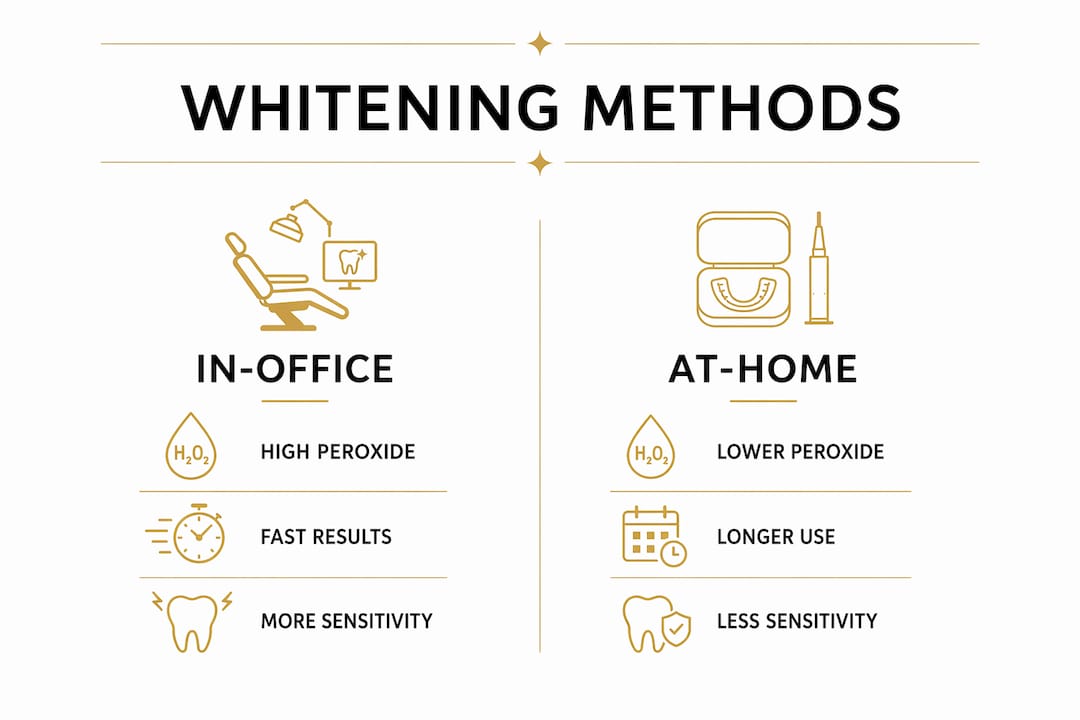
In-office whitening uses 25–40% hydrogen peroxide concentrations. These deliver fast visible change, but sensitivity incidence can reach 100% with in-office methods. For people with porous enamel, that level of sensitivity is not just uncomfortable. It signals that peroxide is penetrating deeply and rapidly, which increases the risk of pulp irritation and post-treatment pain.
At-home methods using 10–16% carbamide peroxide produce comparable long-term results with a lower intensity exposure. Research also shows that 6% hydrogen peroxide over ten days achieves results equivalent to 14 days of 10% carbamide peroxide, with manageable sensitivity. For porous enamel, this slower approach is the clinically smarter choice.
Low-concentration strips are another option worth considering. 3% hydrogen peroxide whitening strips show significant VITA shade guide improvements with minimal adverse events. That makes them a practical starting point for people who are new to whitening or who have known sensitivity.
Desensitizing agents play a critical supporting role. Potassium nitrate and sodium fluoride are the gold standard for managing sensitivity during whitening. Using them before or during treatment reduces pain without compromising whitening efficacy. For porous teeth, this is not optional. It is part of a responsible treatment plan.
Pro Tip: If you experience sharp sensitivity during whitening, do not push through it. Pause treatment for 24–48 hours and apply a potassium nitrate desensitizing gel. Resuming with a lower concentration product afterward protects your enamel and keeps you on track.
For a deeper look at whitening options for sensitive teeth, Blancawhitening has a full science-backed guide worth reading before you choose a method.
How can whitening results relapse and how do you maintain whiteness on porous teeth?
Porous enamel is a double-edged structure. It whitens faster, but it absorbs chromogenic substances faster after treatment too. Coffee, red wine, and dark berries are the most common culprits. They penetrate open tubules quickly, especially in the 48 hours immediately after whitening when enamel is most reactive.
Maintaining your results requires a structured approach, not just occasional touch-ups. Follow these steps consistently:
- Avoid staining foods for 48 hours post-treatment. The enamel surface is most porous right after bleaching. This window is when restaining happens fastest. A guide on foods to avoid after whitening can help you plan your diet during this period.
- Use a neutral pH whitening gel. Acidic formulas accelerate peroxide breakdown but increase enamel roughness, which creates a cycle of sensitivity and faster restaining. Neutral or slightly alkaline products protect the surface while still delivering results.
- Remineralize regularly. Fluoride toothpaste and remineralizing gels help close surface tubules after whitening. This reduces both sensitivity and the rate of stain absorption.
- Maintain consistent oral hygiene. Plaque buildup on porous enamel creates a surface that traps pigment. Brushing twice daily and flossing once daily removes this layer before it sets.
- Skip light activation devices. Light-activated systems do not improve whitening efficacy but do increase heat-induced sensitivity, particularly in high-porosity teeth. The added discomfort is not worth the negligible gain.
Pro Tip: Rinse with water immediately after consuming coffee or red wine. You cannot undo staining once it sets into porous enamel, but rinsing within a few minutes significantly reduces how much pigment bonds to the surface.
The results of tooth whitening last longest when maintenance is treated as part of the treatment itself, not an afterthought.
What does the latest research say about enamel safety during whitening?
Enamel safety is the most common concern people raise about whitening, especially those who already know their enamel is porous. The clinical evidence is reassuring, with important conditions attached.
Research confirms that enamel microhardness changes post-bleaching are transient and reversible. Saliva and fluoride aid remineralization within days of treatment. No measurable enamel prism loss or thickness reduction occurs with professionally formulated products used as directed. The key phrase is “as directed.” Overuse or misuse of high-concentration products on porous enamel does carry real risk.
Key safety findings from current clinical evidence:
- Transient enamel roughness after bleaching reverses within a few days when saliva and fluoride are present.
- Neutral pH gels cause minimal microhardness changes compared to acidic formulations.
- Fluoride application immediately after whitening accelerates remineralization and reduces sensitivity duration.
- Restoration surfaces, including composite resin and porcelain, do not respond to peroxide the same way natural enamel does. Whitening will not change their shade.
- People with existing enamel erosion or thin enamel should consult a dentist before using any concentration above 6% hydrogen peroxide.
Enamel damage from whitening is not inevitable. The risk is concentration-dependent, time-dependent, and largely preventable with the right product choice and remineralization support. For porous enamel specifically, choosing a lower concentration and supporting recovery with fluoride is the evidence-based path to safe, visible results.
For a full breakdown of enamel safety and whitening, Blancawhitening’s science-focused article covers the research in plain language.
Key Takeaways
Porous enamel whitens faster but requires lower peroxide concentrations, consistent remineralization, and disciplined post-treatment care to maintain results safely.
| Point | Details |
|---|---|
| Porosity controls whitening speed | Higher enamel porosity allows peroxide to penetrate faster, producing quicker initial shade change. |
| Lower concentrations suit porous teeth | At-home methods with 3–10% peroxide deliver comparable results with significantly less sensitivity risk. |
| Relapse risk is real | Porous enamel absorbs stains faster post-whitening; avoid chromogenic foods for at least 48 hours. |
| Remineralization is non-negotiable | Fluoride and neutral pH products help close tubules and restore microhardness after bleaching. |
| Light activation adds no benefit | Light-activated devices increase heat sensitivity without improving whitening outcomes for porous enamel. |
What I’ve learned from years of watching whitening go wrong for porous teeth
The most common mistake I see is people chasing speed. They read that in-office whitening delivers results in one session, and they book the highest-concentration treatment available. For dense enamel, that can work. For porous enamel, it often means days of sharp sensitivity, uneven results, and a surface that restains within weeks.
The second mistake is treating whitening as a one-time event. Porous enamel does not hold color the way dense enamel does. Without a remineralization routine and some dietary discipline, the results fade faster than the treatment cost justifies. I have seen people repeat high-concentration treatments every few months in a cycle that gradually weakens their enamel further.
What actually works is slower and less dramatic. A lower-concentration at-home kit, used consistently over two weeks, with a desensitizing agent applied before each session, produces results that hold. Pairing that with a fluoride toothpaste and avoiding staining foods in the first 48 hours after treatment makes a measurable difference in how long the shade improvement lasts.
The uncomfortable truth is that porous enamel requires more patience, not more product. People who accept that reality get better outcomes than those who push for the fastest possible result. Personalized treatment plans that account for sensitivity, porosity level, and lifestyle are not a luxury. They are the only approach that consistently delivers safe, lasting whitening.
— Blanca
Blancawhitening’s solutions for porous and sensitive teeth
Blancawhitening was founded by dental professionals who understand that porous and sensitive enamel needs a different approach than standard whitening products offer.
The at-home whitening collection includes kits formulated at peroxide concentrations suited for sensitive enamel, so you get visible results without the sharp sensitivity that high-concentration treatments cause. Pair any whitening kit with products from the oral care range, which includes remineralizing and enamel-supporting options that help your teeth recover and hold their new shade. For the best value across the full lineup, the best-selling products page shows what people with porous and sensitive teeth reach for most. Every product is designed with long-term enamel health in mind, not just the fastest possible result.
FAQ
What causes high tooth porosity?
Tooth porosity increases with age, genetics, acidic diet, and a history of enamel erosion or prior bleaching. Conditions like acid reflux and dry mouth also accelerate enamel breakdown.
Does porous enamel whiten faster?
Yes. Higher porosity enables faster initial whitening because peroxide penetrates enamel tubules more efficiently, but results also fade faster without proper maintenance.
What is the safest whitening method for porous teeth?
Low-concentration at-home products, such as 3% hydrogen peroxide strips or 10% carbamide peroxide trays, deliver effective results with the lowest sensitivity risk for porous enamel.
Can whitening permanently damage porous enamel?
Clinical evidence shows that enamel microhardness changes from whitening are transient and reversible when fluoride and saliva support remineralization. Using products as directed and avoiding overuse prevents lasting damage.
How do I stop whitening results from fading quickly on porous teeth?
Avoid coffee, red wine, and dark berries for at least 48 hours after treatment, use a neutral pH whitening gel, and apply fluoride toothpaste daily to remineralize and partially close open enamel tubules.