

Lip Health and Smile Appearance: Your Evidence-Based Guide
How lip health shapes your smile’s appearance
Your lips do more than frame your teeth. They act as a dynamic border that defines how your smile reads to others, and their thickness, color, and condition directly influence how attractive that smile appears. A 2022 study with 212 participants confirmed that thick or medium-thick lips with a reddish tint were rated significantly more attractive than thin lips across all observer groups, including dentists, dental students, and laypersons. That finding alone reframes lip health as a genuine component of smile aesthetics, not just a cosmetic afterthought.
The connection between lip health and smile appearance runs through several channels:
- Lip thickness and fullness frame the teeth and gingiva, creating visual proportion that observers respond to before they consciously register tooth color or alignment.
- Lip color affects how white and bright teeth appear. A reddish lip tone creates contrast that makes teeth look lighter and the overall smile more vibrant.
- Gingival display is partly governed by lip position. Clinical standards support showing 1–2 mm of gingiva at a full smile, with no gingival show at rest, as the most aesthetically balanced presentation.
- Lip hydration and barrier health determine whether lips look smooth and full or dry, cracked, and visually distracting. Chapped, peeling lips pull attention away from your teeth.
- Common lip conditions such as angular cheilitis, cold sores, or chronic dryness visibly compromise smile aesthetics and can signal underlying oral health issues.
- Cosmetic and care methods ranging from daily moisturizing routines to professional lip filler treatments can restore or enhance lip structure and support a more attractive smile.
Lip health and smile appearance are genuinely inseparable. Addressing one without the other leaves results on the table.
Table of Contents
- What science says about lips and smile attractiveness
- What makes a smile look balanced and proportionate
- Practical steps to improve lip health and your smile’s look
- An expert-backed approach to lip and smile care
- Blancawhitening supports your complete smile from teeth to lips
- Key Takeaways
What science says about lips and smile attractiveness
Research on smile aesthetics has grown considerably in the past few years, and the findings consistently point to lips as a central variable, not a secondary one.
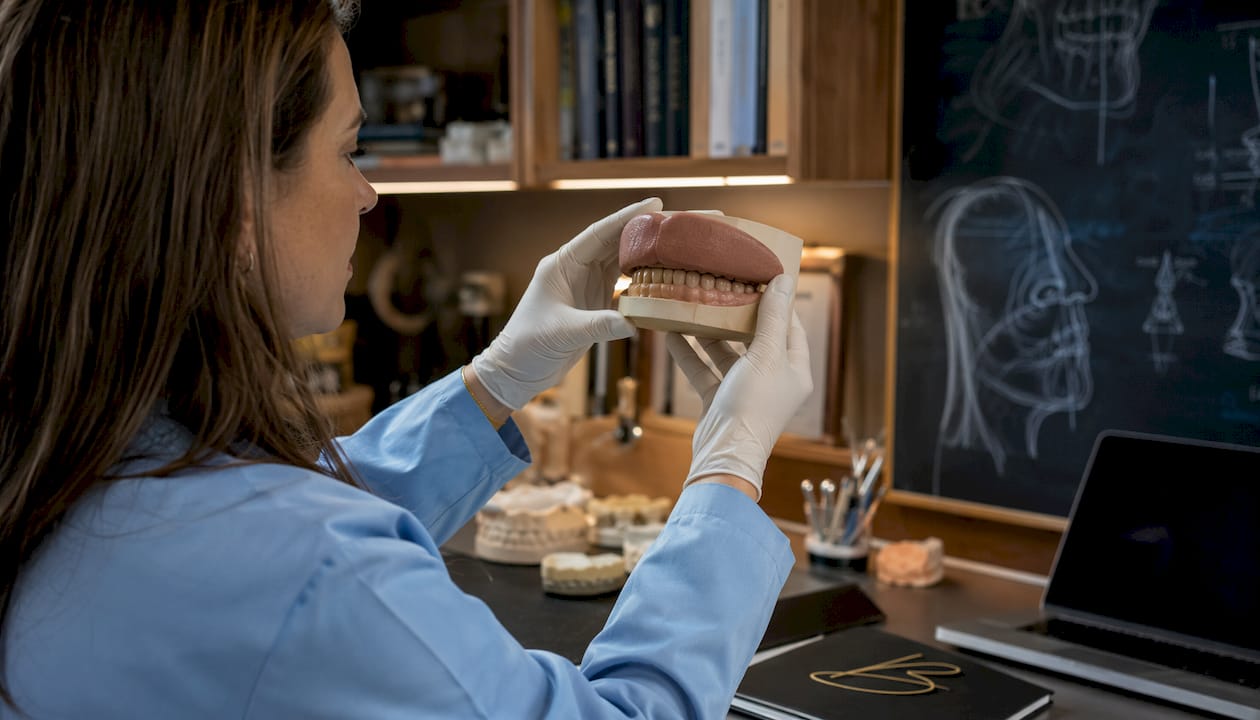
The 2022 study published in PMC tested 27 smile photographs with varying lip thicknesses, lipstick shades, and tooth shades across four rater groups. The results were clear: thick and medium-thick lips were rated more attractive than thin lips by every group. Red lipstick outperformed pink and orange shades for all participants, partly because blue-purple undertones in red tones counteract yellowness in both facial skin and teeth, making the smile appear whiter without any change to the teeth themselves.
Tooth shade perception, interestingly, split along professional lines. Laypersons and non-dental students preferred the whitest bleached shade (0M1), likely influenced by media standards. Dentists and dental students, by contrast, showed no significant preference difference between natural bright (A1) and bleached shades. This divergence matters practically: when you are designing your smile for everyday social interactions, the people judging it are mostly laypersons, and they respond strongly to lip color and tooth brightness together.
Key research insight: Smile attractiveness perception is shaped by the interaction of lip appearance and tooth shade together. A smile with thick or medium-thick lips and a reddish tint was rated the most attractive across all participant groups, regardless of professional background. Lip characteristics are not cosmetic extras — they are core components of smile design.
A separate study on smile esthetics perception found that laypersons evaluate smiles holistically. They do not isolate teeth from lips the way dental professionals do. For a layperson, the full smile impression, including the soft tissue framing provided by the lips, carries the most weight. Restorative specialists showed the strongest correlation between individual smile components and overall attractiveness, while orthodontists considered the broader orofacial context.
What this means for you:
- Lip color and thickness influence perceived tooth brightness, even when the teeth themselves have not changed.
- Laypersons, who make up most of your social audience, judge the full picture rather than individual dental details.
- Customizing your smile approach to account for your own lip morphology produces better results than chasing a generic “perfect smile” template.
Lip competence, meaning the ability of your lips to rest gently together without strain, also plays a structural role. When lips rest apart at repose, the smile frame is disrupted, and the overall aesthetic balance suffers. Evaluating lip competence from frontal, three-quarter, and profile views gives dental professionals a fuller picture of how the lips interact with the smile dynamically.
What makes a smile look balanced and proportionate
A balanced smile is not just about straight, white teeth. It depends on the relationship between several components, and the lips anchor nearly all of them.
The key components
- Lip line refers to how much of the upper teeth and gingiva are visible when you smile fully. Women typically show more gingiva than men, and a high lip line that exposes more than 3–4 mm of gum tissue is generally considered less aesthetically ideal.
- Gingival display at maximum smile should ideally show 1–2 mm of gum tissue. No gingival show at rest is the clinical standard for a natural, relaxed appearance.
- Smile arc describes the curve formed by the upper incisal edges. When this arc runs parallel to the curve of the lower lip, the smile reads as harmonious and youthful.
- Buccal corridors are the dark spaces visible between the back teeth and the corners of the mouth when smiling. Narrower corridors, achieved through proper dental arch width, tend to produce a fuller, more attractive smile.
- Dental midline alignment with the facial midline creates symmetry that observers perceive as attractive, even when they cannot consciously identify why.
- Lip symmetry at rest and during smiling contributes to facial balance. Asymmetric lip movement can draw attention away from the teeth.
Aesthetic standards at a glance
| Smile component | Ideal standard |
|---|---|
| Gingival display at full smile | 1–2 mm |
| Gingival display at rest | 0 mm |
| Smile arc | Parallel to lower lip curvature |
| Lip line (female) | Slightly higher than male average |
| Buccal corridor | Minimal dark space visible |
| Dental midline | Aligned with facial midline |
These clinical aesthetic standards reflect decades of research and professional consensus. They are not rigid rules but reference points. Your facial profile, lip thickness, and natural lip competence all modify how these standards apply to you specifically. A dental professional who evaluates your smile dynamically, across multiple views, will give you a far more accurate picture than any static checklist.
Gum health also plays a direct role here. Inflamed or receding gums alter the gingival display and disrupt the lip-to-tooth ratio that makes a smile look proportionate.
Practical steps to improve lip health and your smile’s look
Healthy lips are not complicated to maintain, but they do require consistency. The following guidance draws from current dermatological recommendations and clinical practice.
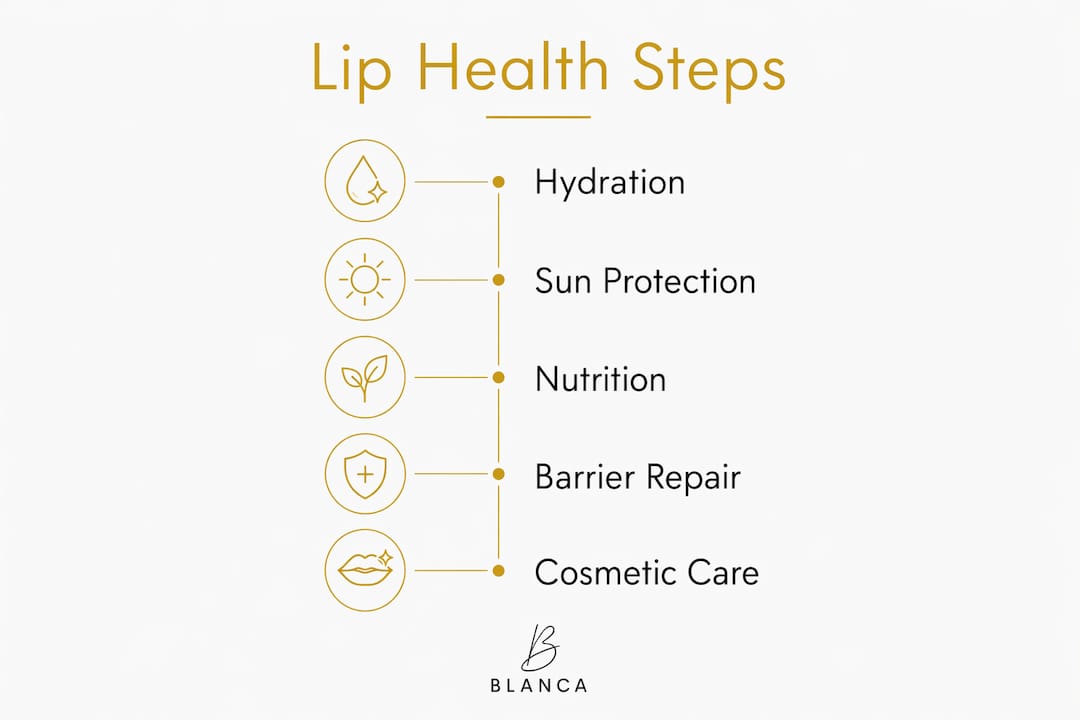
Hydration and barrier protection
Lips have no oil glands and lose moisture faster than any other facial skin. That structural fact makes daily hydration non-negotiable. Dermatologists recommend applying a non-irritating lip balm or ointment several times a day and before bed. White petroleum jelly remains the gold standard: it seals in moisture more effectively than waxes or oils and works for every skin type.

Look for products that contain ceramides, dimethicone, or hyaluronic acid for daytime use, and apply a thicker occlusive ointment overnight when your lips can absorb it without interruption. Ingredients that strengthen the moisture barrier include ceramides and dimethicone, while mineral sunscreen ingredients like zinc oxide and titanium dioxide add UV protection.
Sun protection year-round
UV exposure is one of the most underestimated threats to lip health. Sun damage thins the lip tissue over time, accelerates aging, and increases the risk of actinic cheilitis, a precancerous condition. Lip balms with SPF 30+ containing zinc oxide or titanium dioxide protect against this damage, and reapplication every 2 hours when outdoors is the standard recommendation. This applies in winter just as much as summer.
Pro Tip: If you find yourself skipping SPF lip balm in cooler months, keep a tube in your coat pocket rather than your bag. The physical reminder at the door makes the habit stick.
What to avoid
- Lip licking. Saliva evaporates quickly and leaves lips drier than before. It also contains digestive enzymes that irritate the already-thin lip barrier, worsening inflammation over time.
- Lip scrubs. The skin on your lips is delicate. Scrubbing creates micro-tears and chronic irritation, which worsens dryness rather than relieving it. Hydrating occlusives outperform exfoliation every time.
- Irritating ingredients. Menthol, camphor, fragrance, essential oils, and flavoring agents like peppermint or cinnamon can cause contact dermatitis. If a product tingles or burns, that sensation is irritation, not efficacy. Stop using it and switch to a fragrance-free, hypoallergenic option.
- Picking at dry skin. Removing flakes manually disrupts the healing process and can cause bleeding or scarring.
Diet and nutrition for lip health
Dehydration shows up on the lips before almost anywhere else. Drinking adequate water throughout the day supports lip plumpness and skin elasticity. Deficiencies in B vitamins, particularly B2 (riboflavin) and B12, are associated with angular cheilitis and chronic lip cracking. Iron deficiency can produce similar symptoms. A diet that includes leafy greens, lean proteins, eggs, and whole grains covers most of these bases.
Omega-3 fatty acids, found in fatty fish, flaxseed, and walnuts, support the skin’s lipid barrier, which benefits lip tissue as well. Limiting alcohol and caffeine, both of which promote dehydration, also helps maintain lip moisture from the inside out.
Cosmetic treatments: what works and what to watch
Lip fillers using hyaluronic acid can restore volume lost to aging and improve the lip-to-tooth ratio that contributes to smile balance. Results are temporary, typically lasting several months, and a skilled injector will assess your natural lip line and facial proportions before proceeding. Overfilling disrupts the very balance that makes lips attractive, so less is usually more.
For lip care ingredients that genuinely support barrier repair, look for formulations with hyaluronic acid, ceramides, and shea butter rather than trendy “all-natural” blends that often contain fragrance or essential oils. A regenerating lip serum with nourishing actives can complement your daily occlusive routine, particularly during dry winter months or after extended sun exposure.
An expert-backed approach to lip and smile care
Blancawhitening was founded by dental professionals with a clear purpose: to make clinically backed oral care accessible to everyone. That foundation shapes how the brand approaches smile health, not as a cosmetic goal in isolation, but as the result of consistent, science-informed daily habits that cover teeth, gums, and the soft tissues surrounding them.
The research covered in this article makes one thing clear: a great smile depends on the full picture. Tooth shade matters, but so does lip color and condition. Gingival health affects the lip-to-tooth ratio. Hydration influences how lips frame the smile at rest and in motion. Blancawhitening’s product range is built around exactly this kind of integrated thinking.
Key products that support both oral health and overall smile aesthetics include:
- Professional and at-home whitening systems, which address tooth shade, one of the variables that interacts most directly with lip color to affect perceived smile attractiveness.
- Electric toothbrushes and manual toothbrushes, designed to support consistent plaque removal and gum health, both of which protect the gingival display that anchors a balanced smile.
- Water flossers, which clean between teeth and along the gumline where brushing alone cannot reach, reducing the inflammation that can alter lip-to-gum proportions over time.
- Floss and travel essentials, covering the daily habits that support a brighter, healthier smile over the long term.
Daily oral care habits that combine whitening, brushing, and flossing work alongside dermatological lip care to produce results that neither approach achieves alone. Healthy gums maintain the gingival display that makes a smile look proportionate. Bright, well-shaded teeth respond more visibly to the contrast created by healthy, well-colored lips. The two systems reinforce each other.
Blancawhitening supports your complete smile from teeth to lips
Brighter teeth and healthier lips produce a more attractive smile together than either does separately. That is the clinical reality this article has laid out, and it is the gap Blancawhitening is designed to fill.
Blancawhitening offers a full range of dental-professional-designed products, from at-home whitening systems to electric toothbrushes and water flossers, all built around clinically backed ingredients and long-term oral health. The brand’s whitening products address tooth shade directly, the variable that interacts most powerfully with lip color to shape how others perceive your smile. The oral hygiene tools protect gum health and maintain the gingival display that keeps your smile looking proportionate and balanced.
You do not need a dental office visit to start seeing results. Browse Blancawhitening’s current product offers and find the combination that fits your routine and your smile goals.
Key Takeaways
Lip health is a core component of smile aesthetics, and improving it alongside oral hygiene produces the most visible, lasting results.
| Point | Details |
|---|---|
| Lip thickness and color matter | Thick or medium-thick lips with a reddish tint were generally rated more attractive across all observer groups. |
| Balanced smile standards | An ideal smile shows 1–2 mm of gingiva at full smile, a smile arc parallel to the lower lip, and minimal buccal corridors. |
| Hydration is the foundation | White petroleum jelly applied regularly throughout the day and overnight is an effective occlusive for maintaining lip barrier health. |
| Avoid scrubs and irritants | Lip scrubs cause micro-tears; menthol, fragrance, and flavoring agents worsen dryness and delay barrier repair. |
| Blancawhitening’s role | Blancawhitening’s whitening systems, toothbrushes, and water flossers support the tooth shade and gum health that complete a balanced, attractive smile. |