

Whitening Side Effects Explained: What to Expect
Teeth whitening side effects are defined as the temporary oral reactions caused by peroxide-based bleaching agents during the whitening process, most commonly tooth sensitivity and gum irritation. These two reactions account for the vast majority of complaints from people using at-home whitening products. The good news: 60% to 75% of people experience some degree of sensitivity, yet most cases resolve within days without any lasting damage. Understanding what causes these reactions, which factors raise your personal risk, and how to manage them is the clearest path to a safe, comfortable whitening experience.
What causes whitening side effects explained by dental science?
Tooth sensitivity is the most predictable side effect of peroxide-based whitening. Hydrogen peroxide or carbamide peroxide penetrates the outer enamel layer and reaches the dentin beneath it. Dentin contains microscopic channels called dentinal tubules, and when peroxide alters fluid movement inside those channels, the nerve endings in the pulp respond with a sharp, transient pain signal. This is the hydrodynamic theory of dentinal sensitivity, and it explains why cold air or cold water can trigger a sudden sting during or after a whitening session.
Gum irritation follows a different mechanism. When whitening gel contacts the soft tissue of the gums, the peroxide causes a superficial chemical reaction. You may notice temporary tissue blanching and mild soreness. This is not a burn in the clinical sense. The oral mucosa heals rapidly because it has one of the highest cell-turnover rates in the body, so the irritation clears within 24–48 hours in most cases.
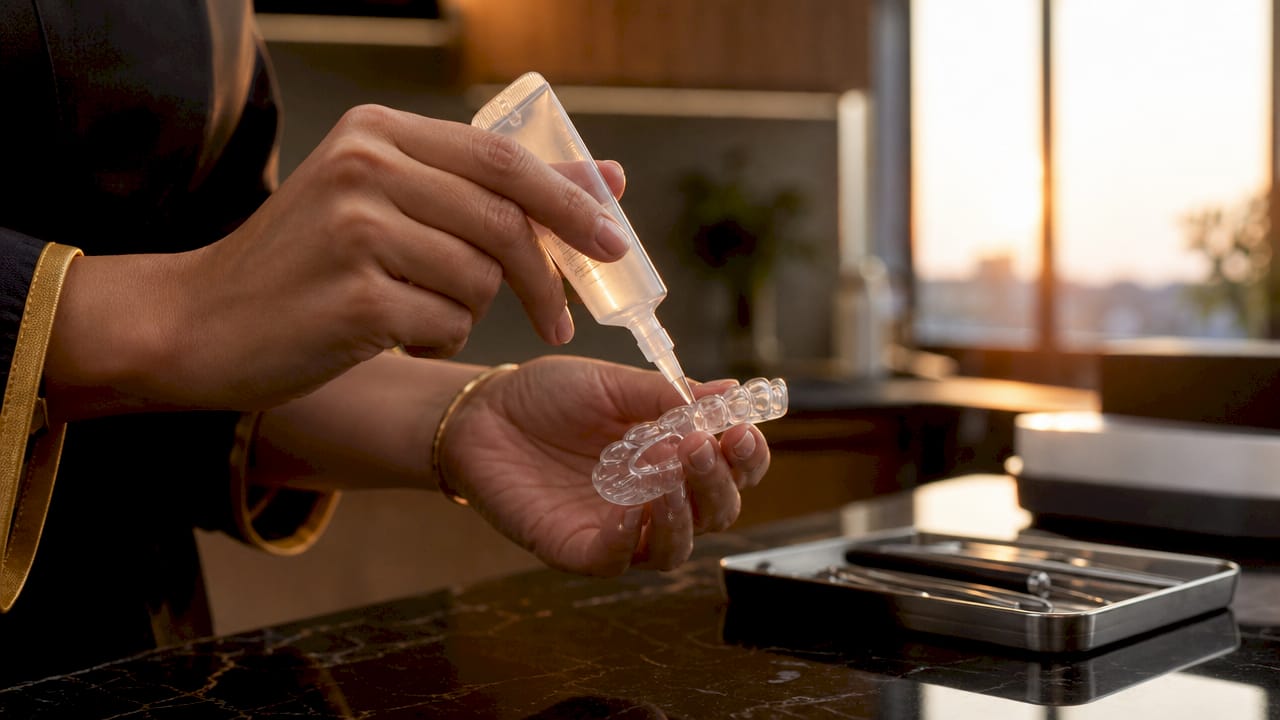
Both reactions are reversible. Surface enamel alterations seen in laboratory studies are clinically insignificant when products are used as directed. The key phrase is “as directed.” Sensitivity signals reversible pulp inflammation, not structural damage to your enamel.
Key reactions at a glance:
- Tooth sensitivity: peroxide diffuses through enamel and triggers nerve response via dentinal tubule fluid movement
- Gum blanching: gel contact with soft tissue causes a superficial oxidation reaction that heals quickly
- Enamel surface changes: minor and reversible under normal use conditions
- Pulp irritation: temporary inflammation, not permanent damage, when products are used correctly
Pro Tip: Apply a thin layer of petroleum jelly or a gum barrier along your gum line before inserting a whitening tray. This simple step significantly reduces gel-to-gum contact and lowers your risk of irritation.
Which factors raise your risk of side effects from at-home whitening?
Not everyone responds to whitening the same way. Several personal and product-related factors determine whether your experience is mild or uncomfortable.
- Thin enamel or exposed dentin. Enamel naturally thins with age and acid exposure. Less enamel means peroxide reaches the dentin faster, intensifying sensitivity.
- Gum recession or exposed roots. Root surfaces lack the enamel layer entirely. Exposed roots or micro-cracks increase sensitivity risk by 2–3 times compared to teeth with intact enamel coverage.
- Existing dental restorations. Crowns, veneers, and composite fillings do not whiten. They can also create pathways for peroxide to reach sensitive areas beneath them. Reading about whitening after dental work before starting any treatment is a practical first step.
- Overloaded or poorly fitting trays. When a tray holds too much gel, the excess squeezes onto the gums. This is one of the most common and preventable causes of gum irritation.
- Preexisting gum disease or inflammation. Inflamed gum tissue reacts more strongly to peroxide. Treating gum health before whitening is not optional. It is a prerequisite. Learn more about why gum health matters before you begin.
- High-concentration products used without guidance. Higher peroxide percentages increase the speed of penetration. Without a professional assessment, you may be using a concentration that exceeds what your enamel can tolerate comfortably.
- Extended daily wear beyond instructions. Wearing trays longer than recommended does not whiten teeth faster. It only increases peroxide exposure to the pulp.
Pro Tip: Before starting any at-home whitening regimen, review the safety questions to ask your dentist. A brief pre-treatment exam identifies vulnerabilities that make side effects far more likely.
How long do whitening side effects last, and when should you see a dentist?
Most side effects from at-home whitening resolve quickly. The table below outlines what is normal versus what warrants professional attention.
| Symptom | Typical duration | When to seek care |
|---|---|---|
| Tooth sensitivity | 1–3 days after each session | Persists beyond one week or worsens with each session |
| Gum irritation or blanching | 24–48 hours | Tissue does not return to normal color within 48 hours |
| Sharp pain from cold stimuli | Resolves within hours to 2 days | Spontaneous pain with no stimulus, or throbbing pain |
| General oral discomfort | Clears within one week | Swelling, blistering, or visible tissue damage |
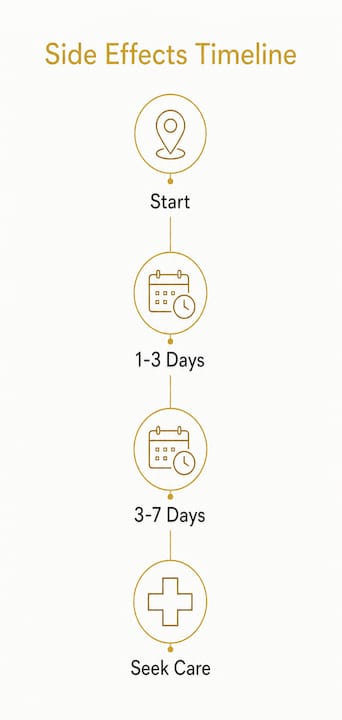
77% of people report feeling better within three days of stopping or pausing whitening. That statistic matters because it confirms that rest periods are effective. If you pause treatment and sensitivity does not improve, that is a signal to consult a dentist rather than push through.
Reversible pulpitis, which is temporary inflammation of the pulp nerve, is the clinical term for the sensitivity most people feel. It resolves on its own. Irreversible pulpitis is rare from whitening alone and typically involves spontaneous, throbbing pain that does not subside. That distinction is worth knowing before you start.
What are the risks of improper whitening product use?
The side effects described above apply to products used correctly. Improper use creates a different category of risk entirely.
- Enamel softening from overuse. Exceeding 8–10 hours of daily wear links directly to increased enamel degradation risk. More wear time does not accelerate results. It accelerates damage.
- Activated charcoal products. Activated charcoal’s Relative Dentin Abrasivity far exceeds safe dental limits. Regular use physically scrapes enamel away rather than bleaching stains.
- Lemon juice and acidic home remedies. Lemon juice has a pH of approximately 2.0–3.0. At that acidity level, it rapidly dissolves hydroxyapatite, the mineral that gives enamel its hardness. This is irreversible erosion, not a side effect.
- Unregulated or counterfeit products. Products sold without regulatory oversight may contain peroxide concentrations far above safe limits or unlisted abrasive compounds.
- Skipping a pre-treatment dental exam. Untreated cavities, cracked teeth, or active gum disease amplify every risk listed above.
“Whitening is safe and effective when patients follow usage guidelines and undergo professional evaluation to tailor treatment plans. The emphasis must always be on moderation over frequency. Customization based on staining type and oral health status improves outcomes and reduces side effects significantly.” — The Dentist, 2026
How to minimize whitening side effects for a safer experience
Following a structured approach before and during whitening reduces your risk of discomfort without sacrificing results.
- Get a dental exam first. Identify cavities, cracks, gum recession, or active inflammation before applying any whitening agent. These conditions amplify every side effect.
- Use the minimum effective amount of gel. Fill trays lightly. Overfilling pushes gel onto gum tissue and is the primary cause of preventable gum irritation.
- Follow the time instructions exactly. Strict adherence to recommended duration and frequency is critical. More whitening does not equal better results. It increases risk.
- Use a desensitizing toothpaste. Toothpastes containing potassium nitrate or stannous fluoride block dentinal tubules and reduce nerve response. Use one for two weeks before starting whitening and continue throughout.
- Space out your sessions. If you feel sensitivity after a session, skip the next scheduled application. Your enamel and pulp need recovery time.
- Stop if significant discomfort occurs. Mild sensitivity is expected. Sharp, lingering pain is not. Stopping and consulting a dentist is always the right call.
- Account for existing dental work. Whitening agents do not lighten crowns, veneers, or fillings. Shade mismatch is a real outcome: your natural teeth whiten while restorations stay the same color, making older dental work appear darker by contrast. Plan for this before you start.
Pro Tip: Follow a recommended whitening schedule rather than whitening daily. Spacing sessions correctly gives your enamel time to remineralize and dramatically reduces cumulative sensitivity.
Key Takeaways
Teeth whitening side effects are temporary and manageable when products are used correctly, with sensitivity and gum irritation resolving within days for the vast majority of people.
| Point | Details |
|---|---|
| Sensitivity is reversible | Peroxide triggers nerve irritation in dentinal tubules, not structural enamel damage. |
| Gum irritation clears fast | Tissue blanching and soreness resolve within 24–48 hours due to rapid oral mucosa healing. |
| Risk factors are identifiable | Thin enamel, exposed roots, and poor tray fit significantly increase side effect severity. |
| Overuse causes real harm | Exceeding daily wear limits softens enamel without improving whitening results. |
| DIY remedies are dangerous | Activated charcoal and lemon juice cause irreversible enamel erosion, not temporary sensitivity. |
What I’ve learned from watching people whiten their teeth the wrong way
The most common mistake I see is treating sensitivity as a problem to push through rather than a signal to respect. People assume that if they feel discomfort, it means the product is working harder. That logic is backwards. Sensitivity tells you that peroxide is reaching the pulp nerve. The correct response is to pause, not to continue.
The second mistake is chasing faster results with longer wear times or stronger concentrations. Customized whitening plans based on dental history and stain type consistently produce safer, more predictable outcomes than aggressive self-directed approaches. A person with naturally thin enamel needs a different protocol than someone with thick, healthy enamel and surface coffee stains.
My honest view: most whitening anxiety comes from not knowing what is normal. Once you understand that a day or two of sensitivity is a predictable nerve response and not a sign of damage, the experience becomes far less stressful. The people who struggle most are those who start without any pre-assessment and then panic when their teeth feel different. Knowledge is the most effective buffer against that reaction.
Whitening works. The science behind it is solid. The risks are real but manageable. The path to a good outcome is informed, moderate use, not aggressive self-treatment.
— Blanca
Blancawhitening products formulated for comfort and safety
At-home whitening does not have to mean guessing at concentrations or tolerating unnecessary discomfort. Blanca whitening was founded by dental professionals specifically to close the gap between clinical-grade results and safe, accessible at-home use.
Every product in the at-home whitening collection is formulated with clinically backed peroxide concentrations designed to minimize sensitivity while delivering visible results. The trays, gels, and strips are built around the principle that comfort and effectiveness are not trade-offs. If you want to start with confidence, Blancawhitening’s product range gives you a professionally designed foundation. Check current offers on the Blancawhitening sales page to find the right kit for your needs.
FAQ
What are the most common teeth whitening side effects?
Tooth sensitivity and gum irritation are the two most common side effects of teeth whitening. Both are caused by peroxide-based agents and typically resolve within 1–3 days.
Is whitening safe for people with sensitive teeth?
Whitening is generally safe for people with sensitive teeth when they use lower-concentration products, desensitizing toothpaste, and follow recommended wear times. A dental exam before starting identifies whether your sensitivity level requires a modified approach.
How long does tooth sensitivity last after whitening?
Sensitivity from whitening typically lasts 1–3 days after each session and clears completely within one week. Sensitivity that persists beyond one week or worsens with each session warrants a dental consultation.
Can whitening damage your enamel permanently?
Whitening used as directed does not cause permanent enamel damage. Laboratory studies show minor surface changes that are clinically reversible. Permanent damage occurs only with overuse, extended daily wear beyond instructions, or abrasive DIY methods like activated charcoal.
Do whitening products affect crowns or veneers?
Whitening agents do not lighten crowns, veneers, or composite fillings. Natural teeth whiten while restorations stay the same shade, which can create a visible color mismatch. Plan any restoration replacements after completing your whitening treatment, not before.