

Daily Oral Care Steps to Boost Whitening Results
The most reliable oral care steps to boost whitening are: brush twice daily with a soft-bristle brush and fluoride toothpaste bearing the ADA Seal of Acceptance, floss or use an interdental cleaner once a day, avoid stain-causing foods and beverages for at least 48 hours after any whitening session, use a dentist-recommended whitening toothpaste or touch-up gel for maintenance, and address sensitivity with a desensitizing toothpaste before and after treatment. These steps work best when paired with professional guidance, especially if you have restorations, gum concerns, or persistent sensitivity.
- Brush gently for two minutes, twice daily, with an ADA-accepted fluoride toothpaste
- Floss or use a water flosser once daily to remove plaque between teeth
- Avoid coffee, tea, red wine, and dark-pigmented foods for the initial period post-whitening
- Use an ADA-accepted whitening toothpaste or dentist-prescribed touch-up gel as directed
- Start a desensitizing toothpaste some time before whitening if you have sensitive teeth
- See your dentist periodically for professional cleaning and whitening candidacy review
The 48-hour post-whitening window is the highest-risk period for re-staining. Enamel is temporarily more porous after professional or high-strength whitening, so what you eat and drink in those first two days has an outsized effect on how long your results last.
Table of Contents
- What to do and avoid in the first 48 hours after whitening
- Your step-by-step daily routine for lasting brightness
- How to choose safe whitening products and read labels
- How to prevent and manage sensitivity after whitening
- DIY myths that can damage your enamel
- When professional whitening is worth it and what to expect
- Key Takeaways
- The case for patience over shortcuts
- Brighter results with Blancawhitening’s dentist-developed tools
- Useful sources
What to do and avoid in the first 48 hours after whitening
After a whitening session, your enamel stays slightly more porous for roughly 24–48 hours, continuing to whiten but also absorbing pigment more readily than usual. The ADA recommends a “white diet” during this window to protect the results you just paid for.
Foods and drinks to avoid for 48 hours:
- Coffee, black tea, and green tea
- Red wine and dark sodas
- Berries, tomato sauce, soy sauce, and balsamic vinegar
- Smoking or any tobacco product
Safe alternatives: water, milk, white rice, chicken, fish, bananas, and plain yogurt. These options carry minimal pigment and won’t compromise your newly brightened enamel.
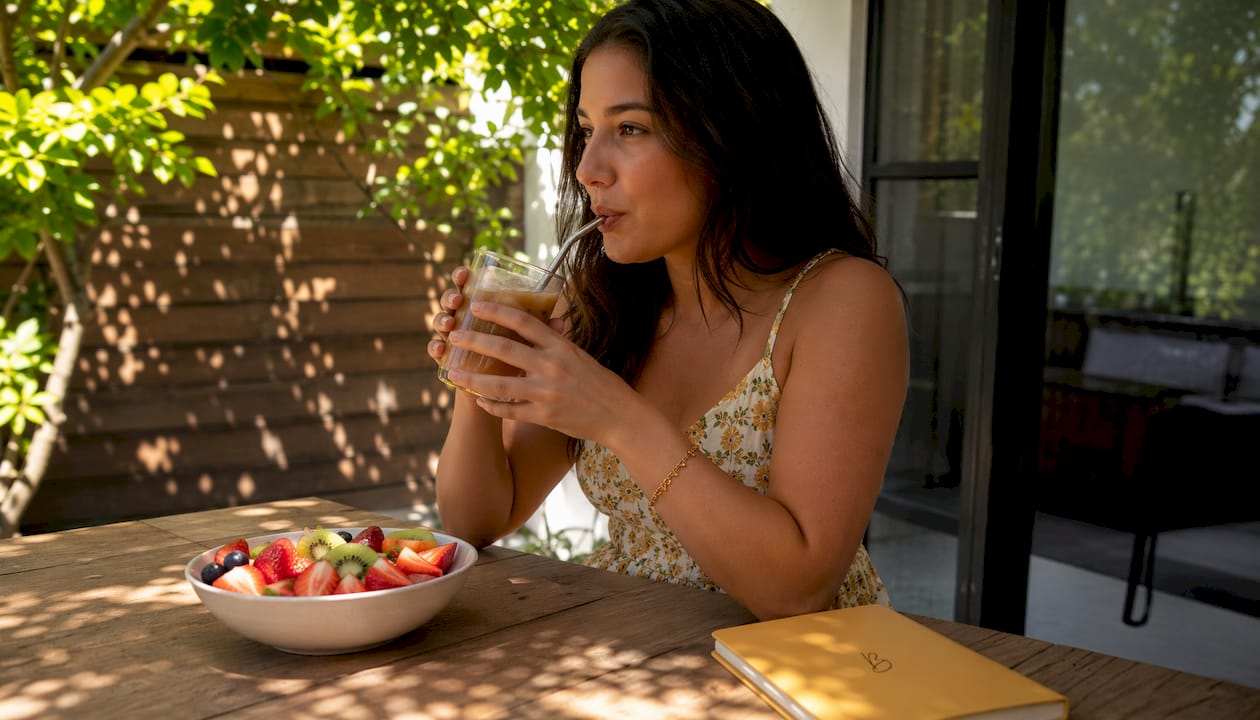
Pro Tip: If you absolutely need your morning coffee, drink it through a straw to limit direct contact with your teeth, then rinse with plain water immediately after. It won’t eliminate the risk entirely, but it reduces pigment exposure significantly.
Smoking is worth calling out separately. Tobacco introduces tar and nicotine that bind to enamel quickly, and the 48-hour window makes that bond even easier to form. Skipping tobacco during this period protects both your whitening results and your gum tissue.
Your step-by-step daily routine for lasting brightness
A consistent daily routine is what separates a one-time whitening result from a smile that stays bright for months. Here is a practical morning-to-evening schedule built around dentist-informed habits.
- Morning: brush for two full minutes with a soft-bristle electric toothbrush or a soft manual brush. Use a low-abrasivity fluoride toothpaste with the ADA Seal of Acceptance. The Blancawhitening electric toothbrush is designed for gentle, effective plaque removal without aggressive enamel contact.
- Clean your tongue with a tongue scraper or the back of your brush. Bacteria on the tongue contribute to surface staining and bad breath.
- Floss or use a water flosser to clear plaque and debris from between teeth. Plaque left between teeth yellows over time and undermines whitening results. The Blancawhitening water flosser is particularly useful for stain-prone areas near the gumline.
- Mid-day: rinse with water after meals, especially after coffee, tea, or acidic foods. A quick rinse lowers the acid level in your mouth and reduces pigment contact time.
- Evening: brush again before bed for two minutes. This is the most important brushing session because saliva production drops overnight, leaving teeth more vulnerable to acid and staining compounds.
- Apply whitening toothpaste or touch-up gel as directed by your dentist or product instructions. Evening application is generally preferred because you won’t eat or drink afterward.
- Use mouthwash last, not first. Rinsing with mouthwash immediately before brushing washes away the fluoride your toothpaste deposits. If you use a whitening mouthwash, apply it after brushing and wait at least 30 minutes before eating or drinking. Avoid high-alcohol mouthwashes right after peroxide-based whitening treatments; alcohol can temporarily increase sensitivity and may reduce peroxide efficacy.
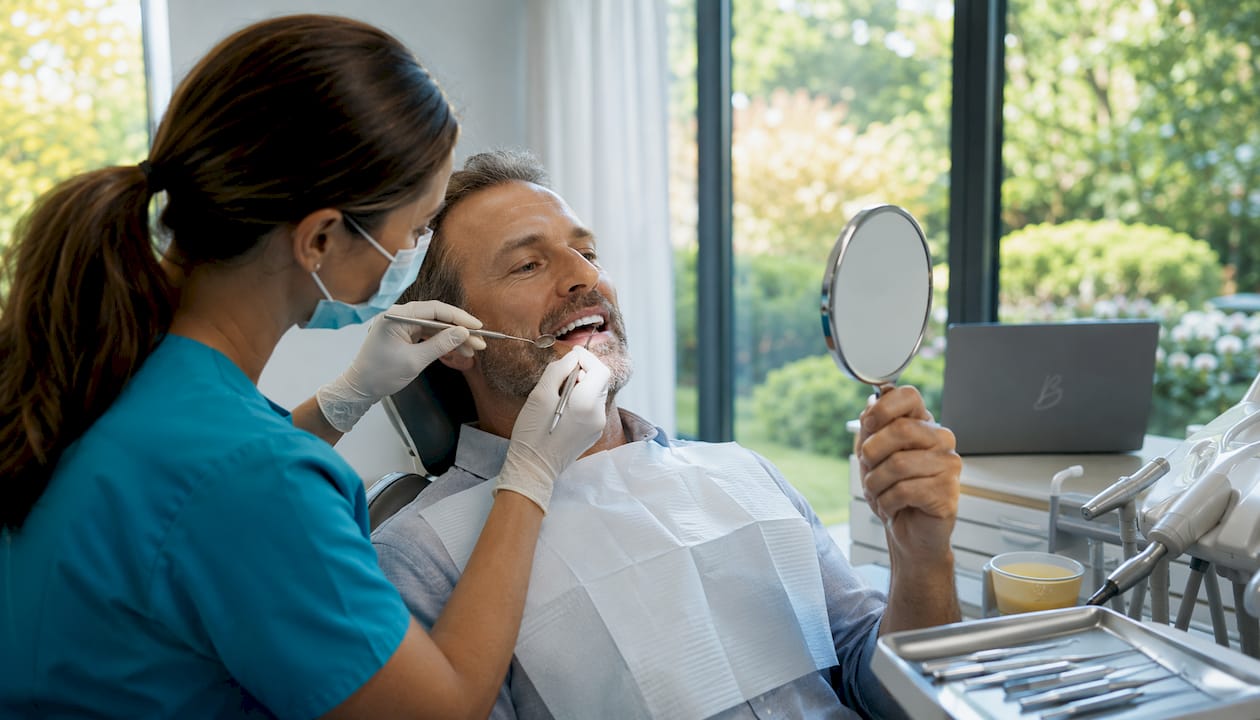
Pro Tip: Schedule your professional cleaning every six months. Routine prophylaxis removes extrinsic staining biofilm and calculus more effectively than any home product, and it resets your baseline brightness before touch-ups.
How to choose safe whitening products and read labels
Not all whitening products are created equal, and the label tells you most of what you need to know before buying.
The three main categories:
- In-office professional bleaching: uses higher-concentration hydrogen peroxide applied by a dentist with gingival protection. Produces the fastest and most dramatic results.
- Dentist-prescribed at-home trays: custom-fit trays with carbamide peroxide gel. Consistent use for 2–6 weeks yields significant improvement, and results often last about two years with proper maintenance.
- Over-the-counter products: whitening strips, paint-on gels, and whitening toothpastes. Generally safe when used as directed, but they work more slowly and produce more modest results than dentist-supervised options.
Label-reading checklist:
- Active ingredient listed as hydrogen peroxide or carbamide peroxide
- ADA Seal of Acceptance on the packaging
- No extreme claims about “instant” results from acid or abrasive ingredients
- Clear instructions for application frequency and duration
| Method | Typical Active Ingredient | Concentration Range | Expected Timeframe |
|---|---|---|---|
| In-office professional | Hydrogen peroxide | — | Single session (1–2 hours) |
| Dentist-prescribed at-home | Carbamide peroxide | 10–38% | 7–14 days |
| OTC strips/gels | Hydrogen peroxide | 3–10% | 2–6 weeks |
| Whitening toothpaste | Low-abrasive agents | Varies | 2–6 weeks (surface stains only) |
The ADA Seal of Acceptance is the fastest safety filter available. If a product carries it, it has been independently evaluated for both safety and efficacy.
How to prevent and manage sensitivity after whitening
Sensitivity after whitening is common and usually resolves within 24–72 hours. It happens because peroxide temporarily opens microscopic channels in enamel called dentinal tubules, allowing temperature and pressure changes to reach the nerve more easily.
Before treatment:
- Start a desensitizing toothpaste containing potassium nitrate or nano-hydroxyapatite two weeks before whitening. Pre-treatment with these ingredients significantly reduces pain response during and after bleaching by blocking dentinal tubules.
- Ask your dentist about a fluoride varnish application before or after your session.
During and after treatment:
- Choose a lower-concentration gel if you have a history of sensitivity, and extend the treatment period rather than increasing concentration.
- Avoid very hot or cold foods and beverages for two to three days post-whitening.
- A warm saltwater rinse (half a teaspoon of salt in eight ounces of warm water) can soothe irritated gum tissue and reduce mild discomfort.
- Switch to a sensitivity-specific toothpaste for the first week after whitening.
For readers who want a deeper look at whitening without sensitivity, Blancawhitening’s blog covers safe protocol adjustments in detail.
Severe or prolonged sensitivity lasting more than a week, or sharp pain that does not ease, requires professional evaluation. Do not continue whitening treatment until a dentist has assessed the cause.
DIY myths that can damage your enamel
Several popular home whitening trends cause more harm than good. The mechanism is almost always the same: abrasion or acid erodes enamel, and once enamel thins, the softer yellow layer beneath it (dentin) becomes more visible, making teeth look darker than before treatment.
- Activated charcoal: RDA values of 70–100 place activated charcoal in the range that causes measurable enamel wear with regular use. No reliable clinical evidence supports its whitening claims.
- Lemon juice or apple cider vinegar scrubs: The ADA warns that prolonged acid contact erodes enamel, increasing sensitivity and yellowing over time.
- Oil pulling: No reliable scientific evidence shows oil pulling whitens teeth.
- Baking soda used daily at high concentrations: Modest gains of 1–2 shade units are possible over months, but daily use at high abrasivity levels carries a real enamel-wear risk.
- DIY peroxide mixes: Unmeasured concentrations applied without gingival protection can cause chemical burns to soft tissue.
The safest natural approach to whiter teeth is consistent daily brushing with an ADA-accepted whitening toothpaste, daily flossing, limiting staining foods, and not smoking. These habits, maintained over time, outperform most DIY remedies without any risk of enamel damage. — ADA, MouthHealthy
For more on the risks of overusing whitening products, including signs of enamel wear to watch for, Blancawhitening’s resource page covers the topic thoroughly.
Stop any aggressive home treatment and see a dentist if you notice increased sensitivity, surface roughness, or visible changes to your enamel.
When professional whitening is worth it and what to expect
OTC products work well for mild surface staining, but there are clear signals that professional treatment will serve you better.
Consider a dental evaluation if you have:
- Intrinsic staining (from tetracycline, fluorosis, or aging) that does not respond to surface-level products
- Dental restorations such as crowns, veneers, or bonding (whitening agents do not change restoration color)
- Uneven discoloration across teeth
- Persistent sensitivity that makes OTC use uncomfortable
Dentist-prescribed at-home kits use custom-fit trays that hold carbamide peroxide gel evenly against each tooth surface, with concentrations ranging from 10% to 38%. The custom fit also protects gum tissue from chemical exposure that generic OTC trays cannot prevent. OTC products lack this protective customization, which is why they carry a higher risk of gum irritation and uneven results.
| Method | Peroxide Concentration | Shade Improvement | Typical Timeline |
|---|---|---|---|
| In-office professional | — hydrogen peroxide | 4–8 shade units | Single session (1–2 hours) |
| Dentist-prescribed at-home | 10–38% carbamide peroxide | 4–6 shade units | 7–14 days |
| OTC strips/gels | 3–10% hydrogen peroxide | 1–3 shade units | 2–6 weeks |
For a side-by-side breakdown of at-home vs. professional whitening, including candidacy questions to bring to your dentist, Blancawhitening’s guide walks through the decision clearly. Johns Hopkins Medicine also recommends a dental check before starting any whitening if you have restorations, gum disease, or significant sensitivity.
Key Takeaways
A consistent daily routine, the right product choices, and a short period of careful aftercare following each whitening session are what actually keep teeth bright over time.
| Point | Details |
|---|---|
| Protect the 48-hour window | Avoid dark-pigmented foods and beverages for 48 hours after whitening to prevent re-staining. |
| Brush and floss daily | Use a soft-bristle brush, ADA-accepted fluoride toothpaste, and daily interdental cleaning to maintain brightness. |
| Prep for sensitivity | Start desensitizing toothpaste with potassium nitrate or nano-hydroxyapatite two weeks before whitening. |
| Choose products wisely | Look for the ADA Seal of Acceptance; avoid activated charcoal, acid scrubs, and unmeasured DIY peroxide mixes. |
| Blancawhitening at-home systems | Blancawhitening offers dentist-developed at-home whitening and daily oral care tools designed for safe, lasting results. |
The case for patience over shortcuts
Most people who are disappointed with their whitening results did one of two things: they chose a product that wasn’t strong enough for their stain type, or they skipped the aftercare and undid the results within a week. Neither outcome is inevitable.
What the evidence consistently shows is that whitening is maintenance, not a one-time event. Behavioral changes, specifically reducing coffee and red wine, stopping tobacco, and keeping up with professional cleanings, often do more for long-term brightness than any single whitening treatment. A dentist-prescribed kit with custom trays and proper aftercare will outperform a drugstore strip every time, not because the chemistry is dramatically different, but because the fit, concentration, and professional oversight reduce the variables that cause uneven results and sensitivity.
The ADA’s guidance is worth taking seriously here: look for the Seal, consult a dentist before high-concentration or repeated whitening, and treat your enamel as the irreplaceable asset it is. Enamel does not regenerate. Once it’s gone, the yellowing that follows is permanent. That reality should make you skeptical of any product promising dramatic results through abrasion or acid, and confident in the slower, evidence-backed approach instead.
Brighter results with Blancawhitening’s dentist-developed tools
Getting the most from your whitening routine means having the right products for every step, from daily brushing to targeted touch-ups.
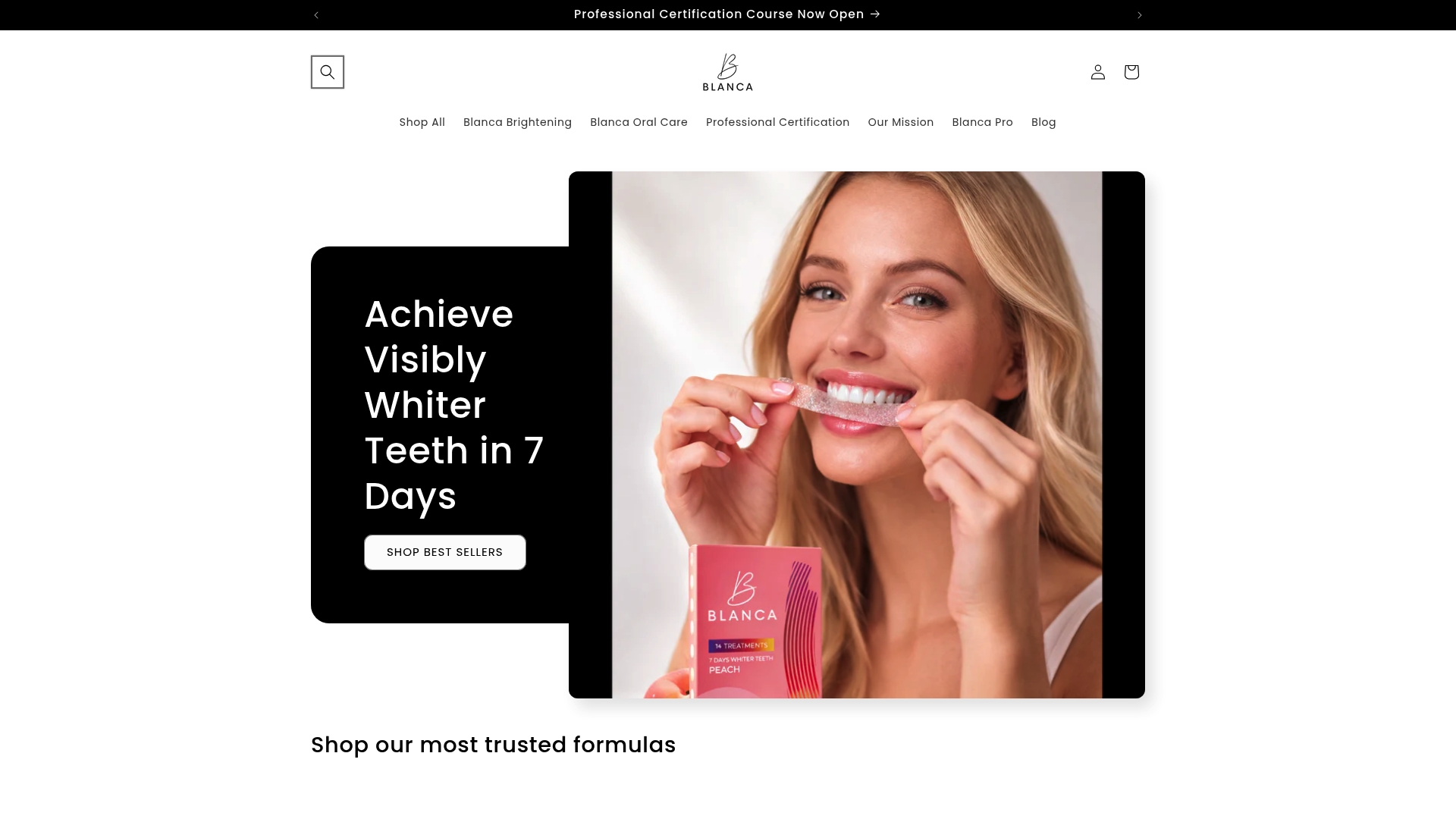
Blancawhitening was founded by dental professionals with one goal: safe, effective whitening that fits into real life. The at-home whitening collection includes professional-grade systems formulated with clinically backed peroxide concentrations, designed to deliver visible results without compromising enamel. Pair that with the Blancawhitening oral care range, which covers electric toothbrushes, water flossers, and daily care essentials built to support long-term brightness. Every product is developed with the same safety-first standard you’d expect from a dentist-founded brand. Browse the full collection and find the right starting point for your routine.
Useful sources
- American Dental Association — MouthHealthy: Natural Teeth Whitening
- American Dental Association — ADA.org: Post-Whitening Care
- Mayo Clinic News Network — Safe Choices for Teeth Whitening
- NHS — Teeth Whitening
- Johns Hopkins Medicine — Teeth Whitening
- PubMed — Desensitizing Agents and Bleaching Protocols
- DentalPedia — Evidence-Based Natural Tooth Whitening Methods
This article is for general informational purposes only and does not constitute professional dental advice. Consult a licensed dentist to confirm whether whitening is appropriate for your specific situation.