

Whitening After Braces: When It's Safe to Start
Wait at least 4 to 6 weeks after your braces come off before whitening your teeth, and start with a dental check and cleaning first, not a whitening kit. If your dentist spots white spot lesions or you have a history of sensitive teeth, that window often stretches to 3 to 6 months. Newly exposed enamel needs time to rehydrate, and any lingering plaque or decalcification needs to be addressed before whitening can work evenly.
Once your dentist gives you the go-ahead, here’s the order that actually protects your results:
- Schedule a professional cleaning and exam before you touch any whitening product.
- Ask your dentist to check for white spot lesions or decalcification around where the brackets sat.
- Favor a dentist-prescribed take-home tray or in-office treatment if sensitivity or white spots are present.
- Hold off on over-the-counter strips until your dentist confirms your enamel is ready.
Quick fact: Recommendations range from a minimum of 2 to 4 weeks up to 6 months, depending on your enamel condition and sensitivity history.
Key Takeaways
Safe whitening after braces depends on waiting for enamel to stabilize, checking for white spots first, and matching the method to your sensitivity level.
| Point | Details |
|---|---|
| Wait before whitening | Give it 4 to 6 weeks minimum, up to 3 to 6 months if white spots or sensitivity are present. |
| See your dentist first | A cleaning and exam catches decalcification and confirms your enamel is ready. |
| Match method to sensitivity | Take-home trays suit sensitive teeth; in-office suits speed; OTC suits low-risk cases. |
| Protect results after | Follow a short white diet, floss daily, and plan touch-ups every 6 to 12 months. |
| Blancawhitening’s role | Offers dentist-informed at-home strips and sensitivity-support products for the maintenance phase. |
Table of Contents
- Why Teeth Look Uneven or Stained After Braces
- When to Wait: Timing Ranges and What Changes the Recommendation
- Professional, Take-Home, or Over-the-Counter: Which Whitening Method Fits?
- What Not to Do: Mistakes That Undo Your Results
- How to Prepare: Getting Your Mouth Ready to Whiten
- Aftercare and Maintenance After Whitening
- Why a Dental-Led Approach Matters for This Decision
- What the Timing Advice Gets Wrong
- Ready to Whiten Safely at Home?
- Sources
Why Teeth Look Uneven or Stained After Braces
Uneven color after debonding is common, and it’s rarely a sign that something went wrong. Brackets shield the enamel underneath them from stain-causing exposure while the surrounding tooth surface keeps darkening slightly from food, drinks, and everyday plaque. When the brackets come off, that shade contrast becomes visible almost overnight.
A few other factors compound the effect:
- Plaque buildup and decalcification: brushing around brackets is hard, and plaque left sitting too long can cause white spot lesions, chalky patches where enamel has lost minerals.
- Enamel dehydration: enamel that’s been covered for months can look temporarily lighter or duller right after debonding, then shift back to its natural shade within a few weeks.
- Existing restorations: fillings, crowns, or bonding material won’t change color with whitening, so any mismatch there stays put no matter what treatment you use.
A professional cleaning often smooths out much of this unevenness on its own, before whitening even enters the picture.
When to Wait: Timing Ranges and What Changes the Recommendation
The 2 to 4 week window works for most people with healthy enamel and no visible white spots. That’s roughly how long it takes for enamel to rehydrate and settle into its natural, stable shade after months under brackets.
But several things push that timeline further out:
- Visible white spot lesions: these demineralized patches don’t disappear with whitening. In some cases, whitening can make them stand out more, since healthy enamel around them lightens faster.
- High sensitivity history: if your teeth were sensitive during orthodontic treatment, jumping into bleaching too soon usually makes it worse.
- Recent restorative work or gum inflammation: either one is a reason to get a dentist’s tailored timeline instead of following a generic rule.
Quick fact: Clinicians often treat 2 to 4 weeks as the floor, reserving the longer 3 to 6 month window for cases involving sensitivity or visible white-spot lesions.
If you fall into any of those categories, ask your dentist directly what timeline fits your mouth rather than guessing from a blog post, this one included.
Professional, Take-Home, or Over-the-Counter: Which Whitening Method Fits?
Once you’re cleared to whiten, the method you choose matters almost as much as the timing. Each option handles peroxide differently, and that difference shows up in your comfort level and how even your results look.
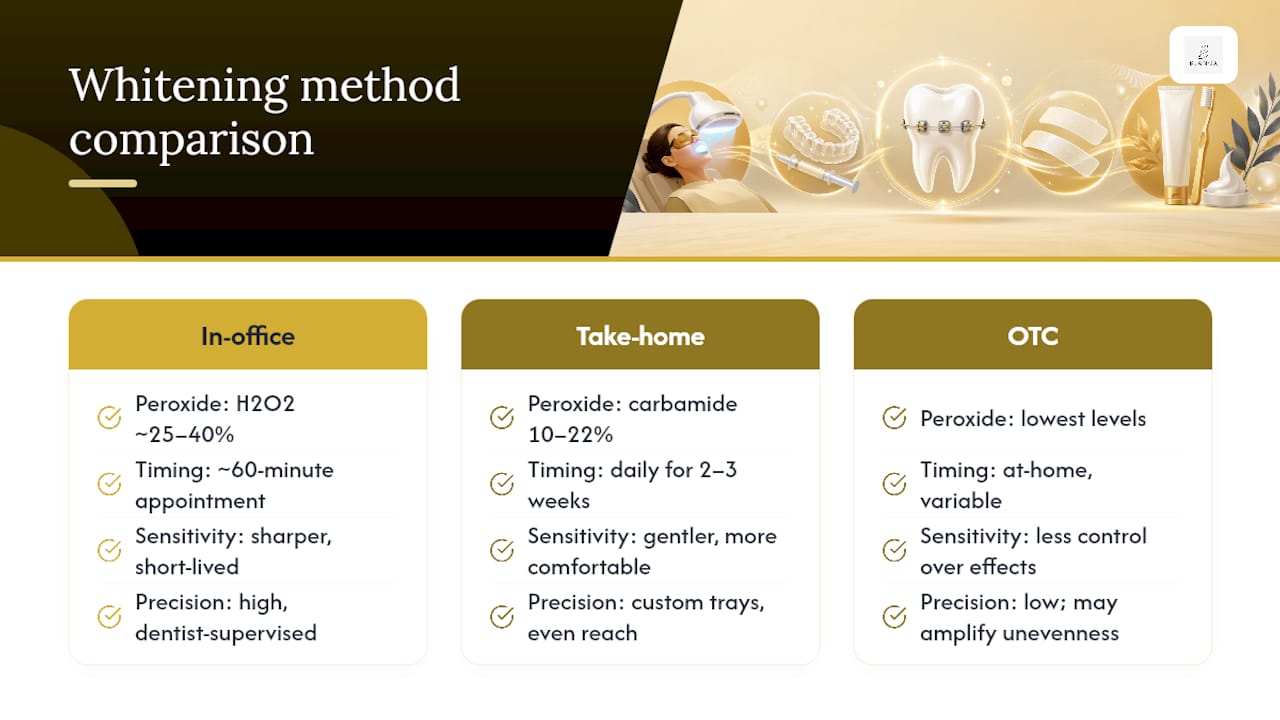
In-office whitening delivers the fastest results, often visible after a single appointment lasting around 60 minutes. It uses hydrogen peroxide concentrations between roughly 25% and 40%, applied under supervision so a dentist can manage sensitivity in real time. The tradeoff is intensity: high concentrations can trigger sharper, if short-lived, sensitivity right after treatment, which matters if your enamel is still settling from braces.
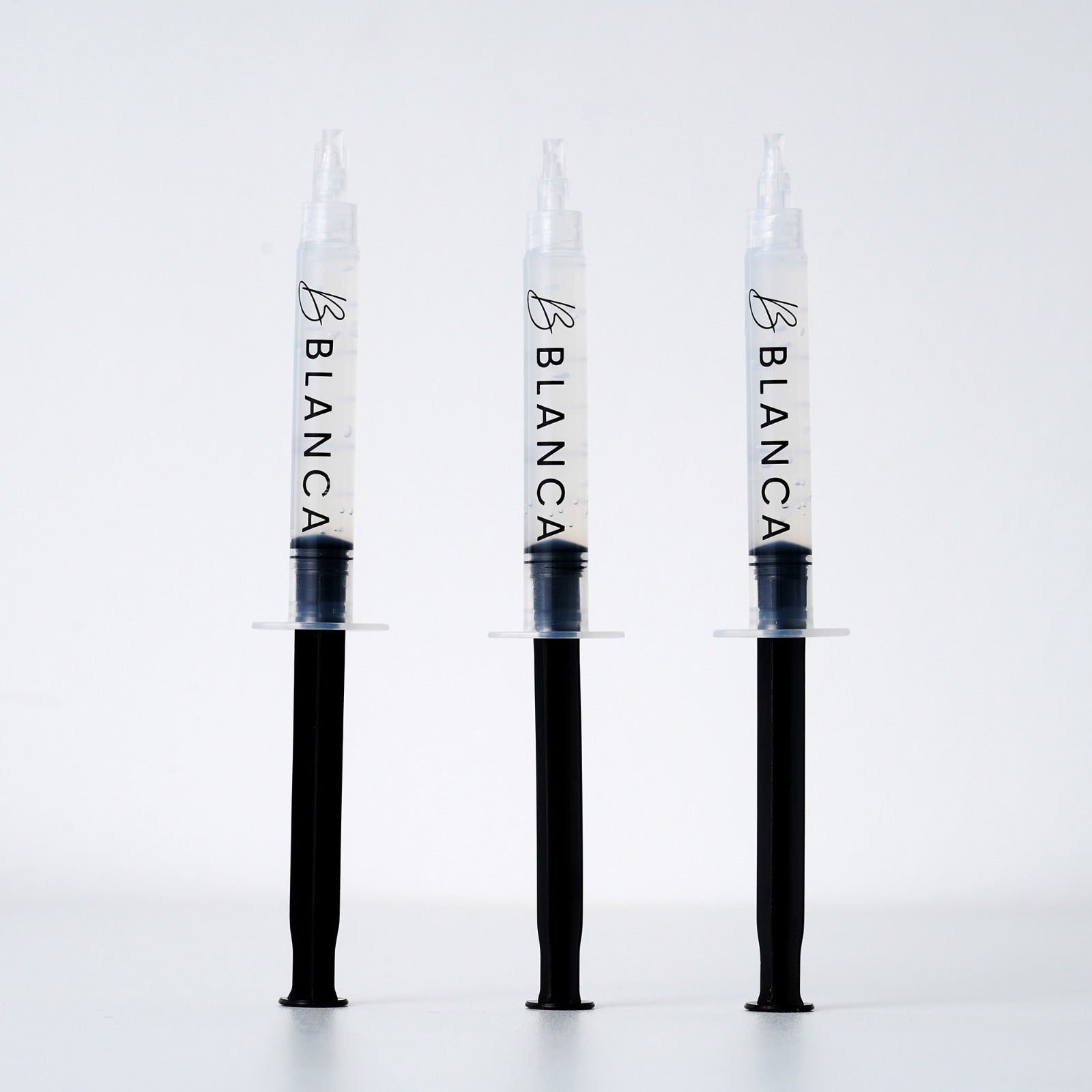
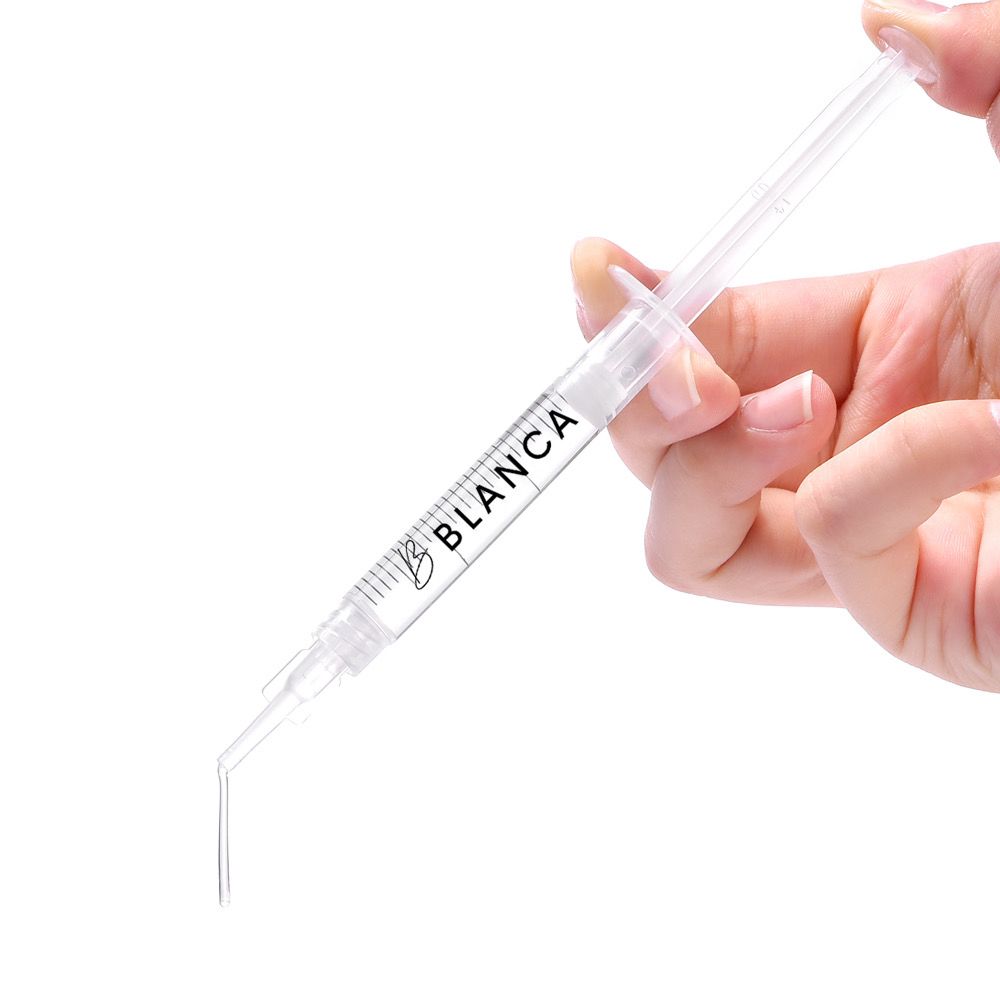
Dentist-prescribed take-home trays use gentler carbamide peroxide, typically 10% to 22%, worn daily over about 2 to 3 weeks. Because the concentration is lower and exposure is spread out, this route tends to be the more comfortable choice if you’re managing sensitivity or working around white spot lesions. Custom trays also fit your teeth precisely, which helps whitening reach evenly, including areas that were harder to clean around brackets.
Over-the-counter strips, gels, and whitening toothpaste are the most accessible option, but they carry the lowest peroxide levels and the least precision. Right after braces, when your enamel shade may already be uneven, OTC products can amplify that unevenness rather than fix it, since they don’t adapt to the specific patches that need more attention.

If your dentist identifies white spot lesions, they may recommend remineralization or targeted treatment before any whitening method, since bleaching alone won’t resolve decalcification.
Pro Tip: If you’re sensitive to cold or sweets right now, ask your dentist about a lower-concentration take-home tray before considering a single high-strength in-office session. A gradual approach over several weeks often produces comparable results with far less discomfort.
What Not to Do: Mistakes That Undo Your Results
Whitening too aggressively, too soon, causes most of the post-braces complaints dentists hear. Avoid these missteps:
- Whitening the same week your braces come off. Enamel hasn’t rehydrated yet, and results are likely to look uneven with a higher chance of sensitivity.
- Whitening around fixed retainers or partial appliances. Anything still bonded to your teeth blocks even peroxide contact, the same problem that caused shade differences in the first place.
- Overusing whitening products or DIY accelerants. Repeated high-frequency bleaching wears on enamel and gums without producing faster results.
- Skipping sensitivity prep. Start with a desensitizing toothpaste, choose a lower concentration, and keep initial sessions shorter rather than pushing through discomfort.
How to Prepare: Getting Your Mouth Ready to Whiten
A little prep work makes whitening safer and the results more even. Before you start any regimen:
- Book a dental cleaning and exam so your dentist can check enamel condition, restorations, and gum health.
- Switch to a sensitivity-reducing toothpaste for 1 to 2 weeks before you begin, this pre-conditioning step measurably lowers discomfort during bleaching.
- Get any cavities or active gum disease treated first. Whitening over untreated issues can make both worse.
- Ask about remineralization treatment if white spot lesions are visible. Addressing them first leads to a more even final shade.
Pro Tip: A short pre-conditioning routine, sensitivity toothpaste plus a professional cleaning, does more for your comfort than any whitening product’s concentration level. Start there before you start counting weeks.
For a full walkthrough on what to ask before you commit to a whitening plan, Blancawhitening’s guide on questions to ask before whitening teeth is worth reading alongside your dentist’s advice.
Aftercare and Maintenance After Whitening
Your results depend as much on what you do after whitening as the treatment itself. For the first 48 to 72 hours, stick to a short-term “white diet”, skip coffee, red wine, berries, and dark sauces, since enamel is more porous and stain-prone right after bleaching.
Beyond that initial window, build habits that protect your color long-term:
- Brush twice daily with a fluoride toothpaste and floss every day to keep new plaque from dulling your shade.
- A water flosser can reach around margins and tight spots that a toothbrush misses, particularly useful if you had crowding before treatment.
- Plan on touch-up whitening roughly every 6 to 12 months, sooner if you drink a lot of coffee, tea, or red wine.
- If veneers or crowns are in your future, whiten first, restorations don’t change color, and matching them to your brightest natural shade avoids a mismatch down the road.
Blancawhitening’s guide on eating before and after teeth whitening breaks down exactly what to eat and avoid during that first sensitive stretch.
Why a Dental-Led Approach Matters for This Decision
Blancawhitening was founded by dental professionals, and that background shapes every recommendation in this guide: exam first, manage sensitivity deliberately, and choose supervised methods when white spots or high sensitivity are in play. That’s not a marketing angle, it’s the same sequence a dentist would walk you through in a chair.
If you want to go deeper on any single step, these resources cover it:
- Daily oral care steps to boost whitening results
- Why gum health matters before teeth whitening
- What to do about remineralizing after whitening
| Point | Details |
|---|---|
| Wait window | Most people wait 4 to 6 weeks; white spots or sensitivity can extend that to 3 to 6 months. |
| Get checked first | A cleaning and exam catches decalcification and restorations before you commit to a method. |
| Method fits your case | Custom trays suit sensitive teeth; in-office suits speed; OTC suits low-risk, even enamel. |
What the Timing Advice Gets Wrong
Most guides on this topic treat the wait window as a fixed countdown: mark your calendar for four weeks, then whiten. That’s backwards. The timeline should follow what your enamel and gums actually look like, not a date on a calendar.
The bigger blind spot is white spot lesions. Plenty of people finish orthodontic treatment with faint chalky patches near the gumline and assume whitening will blend everything into one shade. It often does the opposite, healthy enamel lightens faster than demineralized spots, so the contrast can get more visible, not less. That’s the argument for a dentist exam before anything else, not a nice-to-have step.
If there’s one thing worth prioritizing over speed, it’s method fit. A slower, dentist-guided tray regimen at lower peroxide concentrations will usually beat a rushed high-strength session for anyone still dealing with post-braces sensitivity. Comfort and evenness matter more here than how fast you see a brighter smile.
— Blanca
Ready to Whiten Safely at Home?
Once your dentist clears you, you don’t need a lab or a chair to keep your smile bright, you need products built with the same sensitivity awareness a dentist would apply. Blancawhitening’s at-home strips and kits use dentist-informed peroxide levels designed for comfort, not just speed, which matters most in these first few months after debonding.
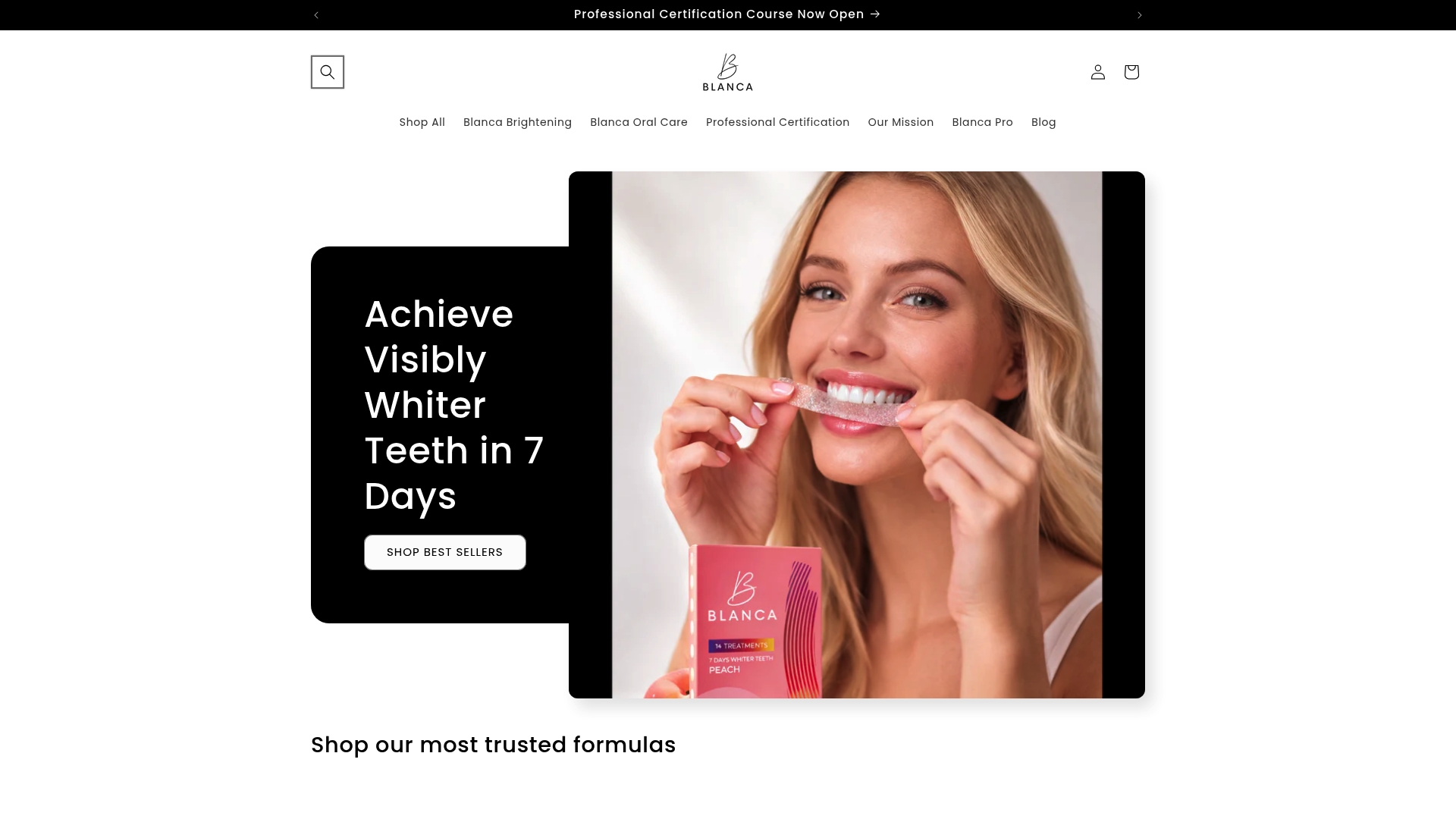
Our Blush Berry flavored whitening strips fit naturally into a gradual, low-sensitivity routine, the same approach dentists recommend for anyone managing white spots or post-braces enamel. Pair them with a Blanca water flosser to clear plaque from spots your toothbrush still misses. Browse the full at-home teeth whitening collection and pick the option that matches where you are in your timeline.
Sources
This guide draws on clinical timing guidance from Smile Avenue Dentistry, Ogden Orthodontist, Gluck Orthodontics, and Aria Dental. For practical routines, see Blancawhitening’s guides on at-home whitening best practices and preventing gum irritation while whitening.
This article is general information, not a substitute for advice from a qualified doctor. Consult a qualified healthcare professional about your own circumstances before acting on anything here.
- Teeth whitening after orthodontics | Smile Avenue Dentistry
- How long should I wait to whiten my teeth after braces? | Ogden Orthodontist
- Should I Whiten My Teeth After Orthodontic Treatment? | Gluck Orthodontics
- Teeth whitening vs veneers: Pros, cons & which is better | Aria Dental